
“It’s out of stock again.”
When a recurring crop disappears, the kitchen has to substitute, replate or change the dish. Planned growing reduces that scramble.
When a crop is part of a dish, inconsistent quality, last-minute stock-outs and supplier chasing become your kitchen’s problem. Arable plans recurring microgreen supply around what your menu actually uses.
The microgreens are the easy part. The real value is having the right crop, in usable condition, when the dish needs it, without creating another procurement headache for the chef or kitchen team.
When a recurring crop disappears, the kitchen has to substitute, replate or change the dish. Planned growing reduces that scramble.
Inconsistent crop size, flavour or appearance makes prep and plating less predictable. Controlled growing is built around repeatability.
Fresh produce has to earn its place in the fridge. Recurring volumes should reflect what the kitchen actually moves, not what a supplier wants to push.
Chefs should not spend prep time phoning around for small ingredients. A standing supply removes repeated sourcing from the weekly routine.
Instead of treating microgreens as opportunistic stock, we can plan recurring varieties into our growing schedule so your kitchen gets a more dependable supply rhythm.
Regular crop requirements are known in advance and can be incorporated into planting schedules.
Indoor growing gives us better control over the conditions that influence crop quality and timing.
Local Western Cape production keeps the route between farm and kitchen shorter.
If your menu changes, crop preferences and recurring volumes can be discussed with the team growing them.
Microgreens are more useful when selected by flavour, texture and function rather than by colour alone. Build a working range around the dishes you actually serve.
Chinese cabbage and similar brassicas work where you want freshness and colour without overpowering the dish.
Rocket and radish varieties bring a fresh peppery bite to pizza, proteins, sandwiches and plated dishes.
Coriander and similar crops add a distinctive aromatic profile to Asian, Mexican and fresh dishes.
Pea shoots and sunflower give enough body to become part of the dish rather than simply finishing it.
These examples show the range of flavour directions available from Arable’s wider selection of more than 30 microgreen varieties.

Substantial enough for salads, bowls, curries and plated components.
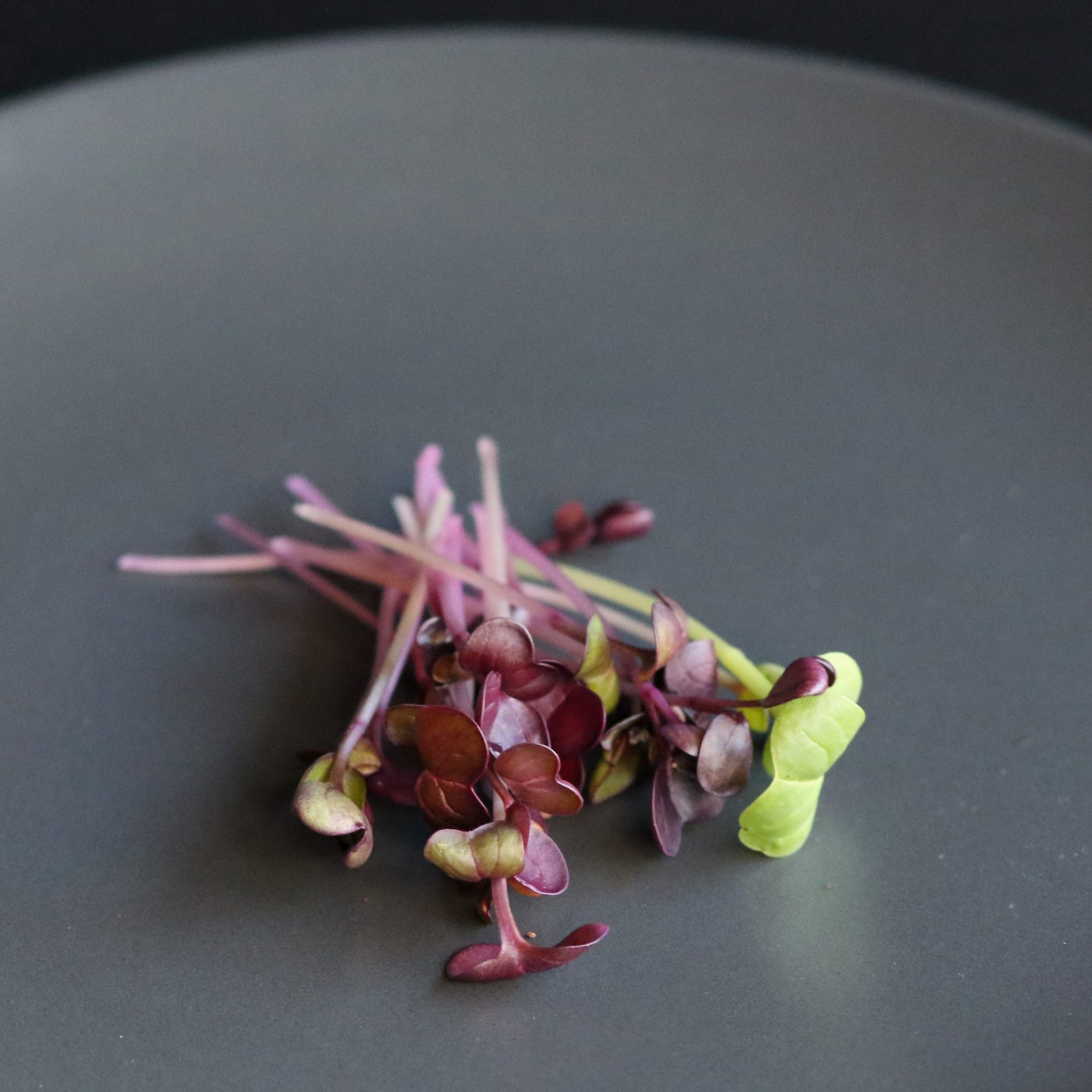
Strong colour and radish heat for wraps, proteins and plated dishes.

Especially useful for Asian, Mexican and fresh herb-forward dishes.

A clean onion note that works particularly well with fish and Asian dishes.

Familiar peppery flavour in a compact crop, ideal for pizza, pesto and savoury dishes.

Mild, substantial and versatile across salads, tacos and egg dishes.
Arable already grows more than 30 microgreen varieties, but your menu does not need to be limited to what is currently on the list. If you need a specific crop, flavour profile or variety, talk to us. We can assess it, trial it and develop a growing solution around your kitchen where practical.
Ask about a custom cropMicrogreens are living crops. The most dependable supply comes from knowing recurring demand early enough to plan it into the grow.
For recurring kitchen requirements, Arable can plan crops around the varieties, volumes and delivery rhythm your team uses regularly.
Professional kitchens need more than good-looking produce. Arable’s growing and handling systems are built around documented procedures, traceability and controlled-environment production.
Tell us what crops you use, your approximate weekly volumes and where your kitchen is based. We can help build a practical standing supply around your menu.